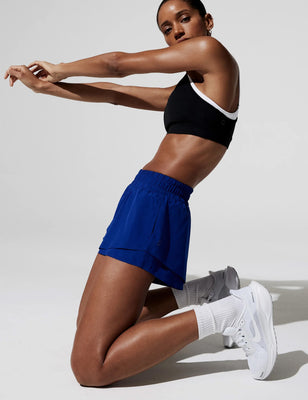
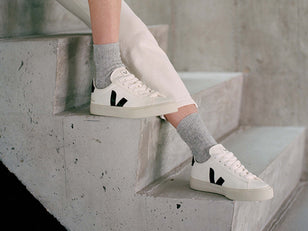
Women's Gym Trainers

Vendor: Nike Free Metcon 7 Shoes - Barely Green/White/Malachite
Sale price
£71.50
Regular price
£119.50
Vendor: ON Running Cloudpulse 2 - Alloy/Ice
Sale price
£89.50
Regular price
£149.50
Vendor: ON Running Cloudpulse Pro - Black/Rock
Sale price
£95.50
Regular price
£159.50
Vendor: ON Running Cloudpulse 2 - Peony/Frost
Sale price
£89.50
Regular price
£149.50
Vendor: Nike Free Metcon 6 Shoes - Black/White
Sale price
£71.50
Regular price
£119.50
Vendor: Nike Metcon 10 Shoes - Violet Mist/Sea Coral/Sapphire
Sale price
£90.50
Regular price
£129.50
Vendor: HOKA Kawana 3 - Grout/Faded Navy
Sale price
£74.50
Regular price
£124.50
Vendor: ON Running Cloudpulse 2 - Ice/Limelight
Sale price
£89.50
Regular price
£149.50
Vendor: ON Running Cloudpulse Pro - White/Black
Sale price
£95.50
Regular price
£159.50
Vendor: adidas Dropset 3 Shoes - Cloud White/Crystal White
Sale price
£43.50
Regular price
£108.50

Women's Gym Trainers

Gym Trainers Women Can Trust for Every Session

Every pair of women’s gym trainers on this page has earned its spot. We don't stock by the shelf-load; we pick the styles we'd wear ourselves, then we wear them. Deadlifts, HIIT, spin, circuits, a 6am class you're slightly dreading. The edit has to hold up across all of it.

What that means in practice: the women's gym trainers you'll find here have the stability to handle heavy lifts, the grip to push through a burpee set without slipping and sliding, and cushioning that doesn't collapse after three months of use. Whatever your level, from the first training block to hundredth, these are gym shoes for women that can keep pace. If you're still weighing up trainers vs dedicated cross-training shoes, our cross training shoes guide is a good place to start.

Women's Gym Shoes from Leading Brands

Brand choice isn't about logos, it's about what each one actually does well. Our women's gym shoes edit sticks to a curated selection of leading names because, honestly, these are the ones consistently delivering the goods for gym training:

  • Nike for versatile, all-rounder training shoes. The Metcon range in particular handles HIIT and mixed gym sessions without needing to compromise on either.
  • Under Armour when grip and stability are non-negotiable. The flatter, firmer builds suit anyone who lifts heavy and wants to feel locked into the floor.
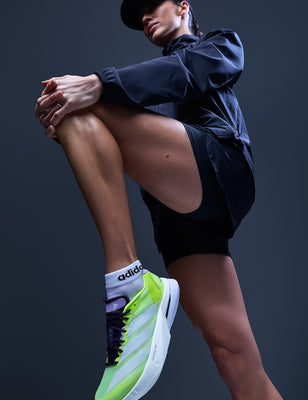
  • adidas for comfort that lasts. Holds up well to high volume and varied workouts, and tends to break in quickly.
  • ON for lightweight cushioning and responsive feel. Worth a look if you're doing functional work, agility drills or anything dynamic.

How to Choose a Pair of Gym Shoes

Start with how you train, not how the shoe looks:

  • If you lift seriously, you want a flat, stable sole for ground contact and force transfer. 
  • If you're mostly doing classes, circuits or conditioning, cushioning and flex matter more. 
  • A hybrid trainer is the sensible middle ground if your weekly split crosses both, and it's usually where we'd point beginners first.

Then think about colour, because you'll wear these more than you expect. Black gym trainers womens are the low-effort pick; they go with everything and hide the scuffs. White gym trainers womens feel fresher, especially for studio-heavy weeks (have a flick through our favourite white trainers if you're undecided). Neutrals sit nicely between the two.

Finally, don't skip the fit details. Breathability, midfoot lockdown and arch support are what separate a shoe you forget about mid-workout from one you're adjusting between sets. The more often you train, the more these small things add up. For specific picks, our best gym trainers guide has the current lineup.

Frequently Asked Questions

Gym trainers have flatter, firmer soles and more lateral support, because lifting and side-to-side movement need ground contact and stability. Running shoes are made for forward motion, with thicker cushioning and a higher heel drop that actively works against you during squats or lateral drills. If you do both sports regularly, a dedicated pair for each is the right call. Our women's running shoes edit covers the running side.

Yes, and plenty of the pairs in this edit are designed with that in mind. Cushioned styles in neutral tones wear well day to day. One thing worth knowing: if you train regularly and also wear them casually, the midsole breaks down faster. Rotating two pairs is an easy fix if you want them to last.

Not necessarily. A good hybrid trainer will cover most of what a non-specialist lifter or class-goer needs. Where it's worth having a second pair: if you lift heavy several times a week (a flat-soled shoe will genuinely change how your lifts feel) or if you're doing high-impact class work that punishes any shoe without real cushioning. For everyone else, one versatile pair does the job.

For most compound lifts, yes. Deadlifts, barbell squats and powerlifting work all benefit from a flat, stable platform that keeps you closer to the ground and transfers force cleanly. The exception is Olympic lifting, where a raised heel helps with squat depth. If you're doing general strength alongside other training, a trainer with a minimal heel drop and firm midsole gives you most of the benefit without being too specialist.

A hybrid training shoe, every time. You don't yet know how your training will evolve, and a versatile pair covers strength, conditioning and classes without locking you in. Look for a stable base, moderate cushioning and a secure midfoot fit. Once you know where your training's heading, you can get more specific with your second pair.

They can, and it's often underrated. The right shoe improves form by giving you a stable base, which in turn lets you lift more safely and move more efficiently. A worn-out or sport-wrong trainer does the opposite, and it's a quiet drag on your progress. It's not the biggest performance upgrade available, but it's one of the simplest, and the gains compound over months of training.