


























You did it. You clicked “register,” paid your entry fee, and for about ten glorious seconds you felt like an athlete - right up until reality landed: you now have to actually train, and that means covering either 13.1 or 26.2 miles on race day.
Learning how to train for a marathon (or your first half) can feel daunting whether you’re a nervous first-timer or an aspiring marathon runner. Am I fit enough? How long will training take? How many times a week do I need to run? These questions are completely normal.
The good news is that while a half and a full marathon demand different levels of commitment, the training foundations are largely the same. In this guide we’ll walk through timelines, mileage progression, training structure, strength work, fuelling, race-day preparation, and what to wear, so you can arrive at the start line ready, not rattled.

How Long Does Marathon Training Take?
The honest answer is it depends on where you’re starting from and what you want race day to look like. As a rough guide, most runners with a reasonable fitness base should allow 10–16 weeks for a half marathon and 16–24 weeks for a full marathon. Those windows assume you can already run comfortably for 30–40 minutes a few times a week before your plan begins.
If you’re a complete beginner, a realistic timeline is around 6 months to build safely to a half marathon, and 9–12 months for a full marathon. That extra time isn’t wasted; it’s what lets your muscles, tendons and joints adapt so you reach race week healthy rather than injured.
Three variables move these numbers more than anything else:
- Your current fitness base - how much you already run each week.
- Injury history - previous niggles mean building more gradually.
- Your goal - simply finishing needs less time than chasing a specific time.
Whichever distance you choose, don’t pick a plan based on how many weeks you’d like it to take — pick one that matches your body. A good marathon training plan or half marathon training schedule builds in recovery weeks and a taper, so the total length of the plan is doing more work than it first appears.
Good training isn’t just “run more.” It’s a blend of run types, each doing a different job. Whether you’re following a plan for marathon training for beginners or tackling a couch to marathon journey, most weeks will include four key sessions: The single most common beginner mistake is doing too much, too soon. Follow the 10% rule: increase your total weekly mileage by no more than roughly 10% from one week to the next. It feels frustratingly cautious, but it’s the surest way to keep injuries away. As for how far you’ll ultimately go, peak weekly mileage typically lands around 25–35 miles for a half marathon and 35–50 miles for a full marathon. You won’t start there - you’ll climb to it gradually, then taper down before race day. Just as important as the running is the not-running. Schedule at least one or two full rest days each week, and drop in a recovery week (where you cut mileage by around a third) every three to four weeks. Rest is when your body actually absorbs the training and gets stronger. New to running altogether? Start with the basics before you worry about mileage charts, our 5 tips for running beginners is a great place to begin. If you want to stay healthy all the way to race day, the work you do off your feet matters almost as much as the miles. Cross-training and strength work builds a more resilient body, corrects the muscle imbalances that running alone can create, and meaningfully reduces your injury risk. Low-impact cross-training lets you build fitness without the pounding. Great options include: You don’t need to live in the gym. For most runners, one to two cross-training or strength sessions per week is realistic and plenty, slotted around your runs, and not on top of your hardest days. If you’re training in the gym or across different disciplines, the right footwear helps. Take a look at our guide to cross-training shoes to find the best fit for your sessions.
Building Your Weekly Mileage
Cross-Training and Strength Work

What to Wear for Marathon Training
The right kit won’t run the miles for you, but the wrong kit can absolutely derail a session. You don’t need to buy everything at once, build up gradually, starting with the fundamentals.
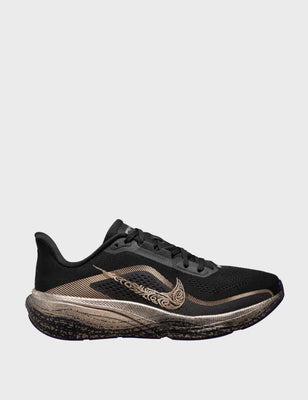
Running shoes are the most important purchase you’ll make. They’re the single piece of kit that most affects comfort and injury risk, so it’s worth getting them right for your foot type, gait and the surfaces you run on.
Rather than chasing one “best” model, it’s smarter to choose from a well-curated range. At The Sports Edit we curate our range of running shoes from the world’s leading performance brands, so you can match the shoe to you rather than to a trend.
Beyond shoes, a few core pieces will keep every run comfortable:
- Running leggings or shorts - sweat-wicking and non-chafing, in a length you feel good in.
- A supportive, high-impact sports bra - arguably as important as your shoes for comfort on longer runs.
- A running jacket - lightweight, breathable and weather-ready for British training conditions.
- Technical socks - an under-rated hero that helps prevent blisters over the miles.
Ready to build your running wardrobe? Browse our edit of women’s running shoes, find a supportive fit in running bras, and stay covered in all conditions with our women’s running jackets.




- Regular price
- £40.00




- Regular price
- £39.00


- Sale price
- £87.00
- Regular price
- £109.00
Marathon Pacing Strategies for Beginners
If there’s one skill that separates a great race from a painful one, it’s pacing. Get it right and the miles tick by; get it wrong and no amount of training will save the back end of your race.
The classic beginner error is starting too fast. Adrenaline, crowd energy and the runners streaming past you make an early sprint feel effortless — until it isn’t. Burn through your reserves in the first few miles and you risk “hitting the wall”: that brutal late-race point where your fuel runs out and every step becomes a battle. Poor pacing is one of its biggest causes.
Keep these principles in mind:
- Know your paces - your easy pace should feel genuinely easy; your race pace is faster but sustainable for the whole distance.
- Run by effort, not ego - on hills, heat or tired legs, hold your effort steady rather than fixating on the number on your watch.
- Aim for negative splits - start slightly slower than goal pace and finish faster; it feels great and protects you from an early blow-up.
- For your first race, consistency beats speed. Practise your race-day pace on training runs so it becomes second nature long before the start gun fires.
Marathon Nutrition and Fuelling Explained
Here’s a rule that saves races: nutrition is trained, not improvised. Everything you plan to eat and drink on race day should be rehearsed during training, so there are no nasty surprises when it counts.
Across your training block, focus on the fundamentals:
- Daily carbohydrates - your main running fuel; make sure everyday meals support your mileage.
- Hydration - drink consistently through the day, not just around runs.
- Electrolytes - sodium and other minerals matter on longer, sweatier sessions.
- Pre-run meals - test what sits well 1–3 hours before a run.
- Race-day fuelling - gels, chews or drinks taken at regular intervals during the run.
In the final days before a full marathon, many runners carb load - increasing carbohydrate intake to top up glycogen stores for the long effort ahead. Fuelling needs differ by distance, too: a half marathon can often be completed without in-race gels, whereas a full marathon almost always requires on-course fuelling. Many runners take a gel roughly every 30–45 minutes once past the first hour.
Avoid the three classic mistakes: under-fuelling on long runs, trying new products on race day, and ignoring hydration. Practise your fuelling on every long run and race day will feel routine.
Tapering and Race Week Preparation
Tapering is the planned reduction in training volume in the final weeks before your race. It might feel counter-intuitive to do less right before your biggest effort, but the taper is when all your hard work consolidates - muscles repair, glycogen stores fill, and fatigue lifts, so you arrive fresh and springy.
For a marathon, a 2–3 week taper works well. The key principles:
- Cut mileage by roughly 20–30% each week as the race approaches.
- Keep some intensity - shorter efforts at race pace keep your legs sharp even as volume drops.
- Prioritise sleep and recovery - this is where the magic actually happens.
- Don’t be surprised if you feel restless, sluggish or convinced you’re losing fitness — that’s “taper madness”, and it’s completely normal.
- Trust the plan; the freshness will show up on race day.
Race-week checklist:
- Kit: lay out shoes, socks and outfit; nothing new on the day.
- Nutrition: plan meals, carb loading and exactly which gels you’ll carry.
- Travel: confirm how and when you’ll get to the start, plus enough time for bag drop.
- Weather: check the forecast and adjust layers accordingly.
- Strategy: lock in your pacing and fuelling plan before you toe the line.
Running Your First Marathon vs Half Marathon: Key Differences
Deciding how to train for a half marathon versus a full marathon comes down to understanding what each distance really asks of you. They share the same foundations, but the commitment scales up sharply.
The half marathon (13.1 miles): a fantastic first goal. Most runners can prepare in 10–16 weeks, peak mileage is manageable, and many can complete it without in-race gels if they’ve fuelled well beforehand. A solid half marathon training plan fits comfortably around everyday life.
The full marathon (26.2 miles): a serious step up. Plan on 16–24 weeks minimum, ideally built on an existing half marathon base. Long runs stretch much further, weekly mileage climbs, and on-course fuelling becomes essential - you simply can’t store enough energy to cover the distance without topping up.
The simplest advice? Start with the distance that matches your current fitness. A strong, enjoyable half is a far better platform for a future marathon than a rushed, painful full.
Conclusion
If you take one thing from this guide, make it this: successful marathon training is built on consistency, not perfection. You don’t need flawless weeks, you need to keep showing up.
Lean on the pillars that carry every runner to the finish: gradual progression, genuine recovery, regular strength training, and the right kit for the miles. Choose the distance that fits where you are today, trust the process, and enjoy the journey to the start line.
When you’re ready to gear up, our edit of women’s running shoes and dedicated marathon clothing will help you train comfortably and toe the line with confidence.


- Sale price
- £115.50
- Regular price
- £144.50







- Sale price
- £103.50
- Regular price
- £129.50




- Regular price
- £139.50




- Sale price
- £175.50
- Regular price
- £219.50


- Sale price
- £91.00
- Regular price
- £189.50
Marathon Training FAQs:
How long does it take to train for a marathon?
Most runners with a solid base need 16–24 weeks to train for a marathon. If you can already run comfortably a few times a week, you’ll sit toward the shorter end of that range, while complete beginners should allow 9–12 months to build up safely. Experienced runners with a strong mileage base and a recent half marathon behind them can often prepare well within 16 weeks.
How long does it take to train for a half marathon?
The standard recommendation is 10–16 weeks, assuming you can already run for around 30 minutes without stopping. Give yourself extra preparation time, up to 6 months if you’re starting from scratch, returning from injury, or simply want a comfortable buffer rather than rushing your mileage build.
How many days a week should I run when training for a marathon?
For most runners, 3–5 running days per week is the sweet spot, enough to build endurance without overloading your body. Fill the remaining days with 1–2 cross-training or strength sessions and at least one full rest day. Recovery is part of the plan, not a break from it: it’s when your body adapts and gets stronger.
Can I train for a marathon as a beginner?
Absolutely, beginners complete marathons every year. The key is allowing enough preparation time. Rather than following an aggressive plan, give yourself 9–12 months to build gradually from a comfortable base, ideally running a half marathon along the way. Patience and consistency matter far more than natural speed for a successful first marathon.
What should I eat when training for a marathon?
Prioritise carbohydrates as your main running fuel, stay well hydrated throughout the day, and make sure your overall energy intake supports your mileage, under-fuelling is a common mistake. Just as importantly, practise your race-day nutrition during training, testing pre-run meals and any gels or drinks on your long runs so nothing is new on the big day.