













From the outside looking in, pilates and yoga can look surprisingly similar. They are both low-impact, offer promises of leaving you feeling calmer and more collected, and they both have their own devoted fans who claim that “their” sport is the best one. But if you’re new to the world of yoga and pilates, it can be difficult to choose between the two. Pilates vs yoga isn't really a competition, it's a question of what your body and your headspace need on any given day. Read on to learn more about the similarities, differences, and key considerations to help you choose.
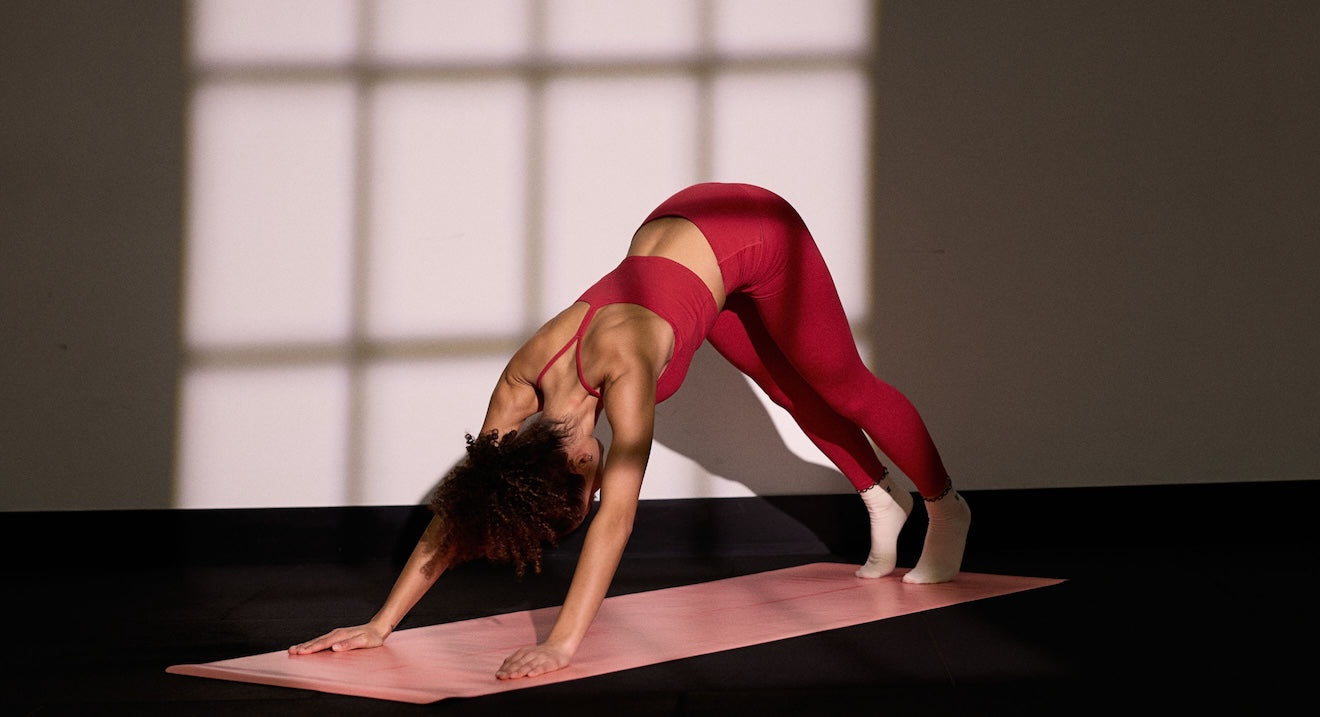
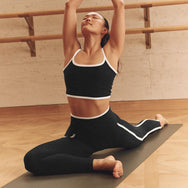
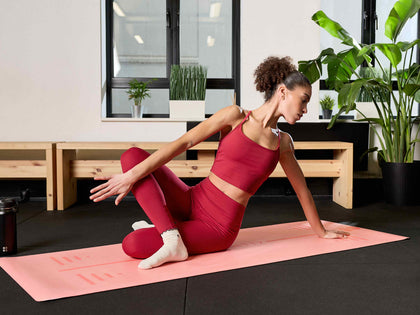
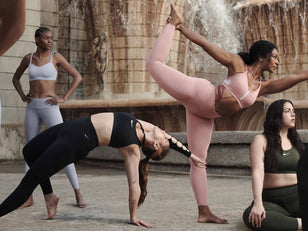
Yoga is a mind-body practice built around breath, movement and stillness, with the aim of building flexibility, balance and a bit of mental quiet along the way. The practice is thousands of years old, originating from ancient India and has evolved into dozens of different styles that can be confusing to beginners. Hatha yoga tends to be slower and pose-focused, good for easing into the basics. Vinyasa yoga links breath to movement in a flowing sequence, so it feels more like a workout. Yin yoga holds poses for several minutes at a time, working deeper into connective tissue rather than muscle. Beginner yoga classes are usually built around hatha or a gentle vinyasa flow. The benefits of yoga stack up over time rather than overnight. You can expect better flexibility, steadier balance, and a noticeable dip in stress levels once breathwork starts to feel natural rather than awkward. If in-studio practice appeals more than a living room mat, it's worth having a look at some of the top yoga studios in London to get a feel for the different styles on offer. Pilates takes a more mechanical approach to fitness. It's built around building core strength, control and alignment, with slow, deliberate movements that ask a lot more of your stabilising muscles. Just like yoga, it can be mat-based but there is also reformer pilates that uses a spring-loaded machine to add resistance. The main misconception with pilates for beginners is that it doesn't count as proper exercise, that it's all gentle stretching with none of the sweat. Anyone who's held a plank position for what felt like an unreasonable amount of time will tell you otherwise. Expect better posture, a stronger core, and improved control over general movement. Pilates is a solid fit for anyone who wants strength work that doesn't fancy a traditional gym session.What is Yoga?
What is Pilates?
Neither yoga or pilates is better for weight loss as they are primarily about strength, flexibility and control rather than calorie burn. So if weight loss is the main goal, they work best as a complement to cardio rather than a replacement for it. Yoga leans towards flexibility, breathwork and mind-body connection. Pilates leans towards core strength, stability and controlled movement patterns. There's crossover, plenty of yoga poses build strength and plenty of pilates movements demand flexibility, but the emphasis sits in different places. Yoga classes often move through a flowing sequence of poses linked by breath, with more variation between styles. Pilates classes are typically more structured and repetitive by design, working through a set of controlled exercises that target specific muscle groups. A slow yin yoga class and a fast-paced vinyasa flow sit at opposite ends of the intensity scale, and the same goes for pilates, where a gentle mat class feels very different to a full reformer session. Broadly, dynamic vinyasa and reformer pilates burn more calories than their gentler counterparts, though neither is designed primarily around that. Yoga generally needs nothing more than a mat, maybe a block or a strap. Pilates can be done on a mat too, but reformer classes require the machine itself, which usually means booking into a studio rather than practising at home. Mat-based yoga and pilates are among the more accessible forms of exercise, needing minimal kit and you can often find classes available for free online. Reformer pilates tends to sit at a higher price point as it requires special equipment and studio space.Is pilates or yoga better for weight loss?
What’s the difference between yoga and pilates?
They focus on different things
Class format
Intensity and calorie-burn
Different equipment
Cost and accessibility
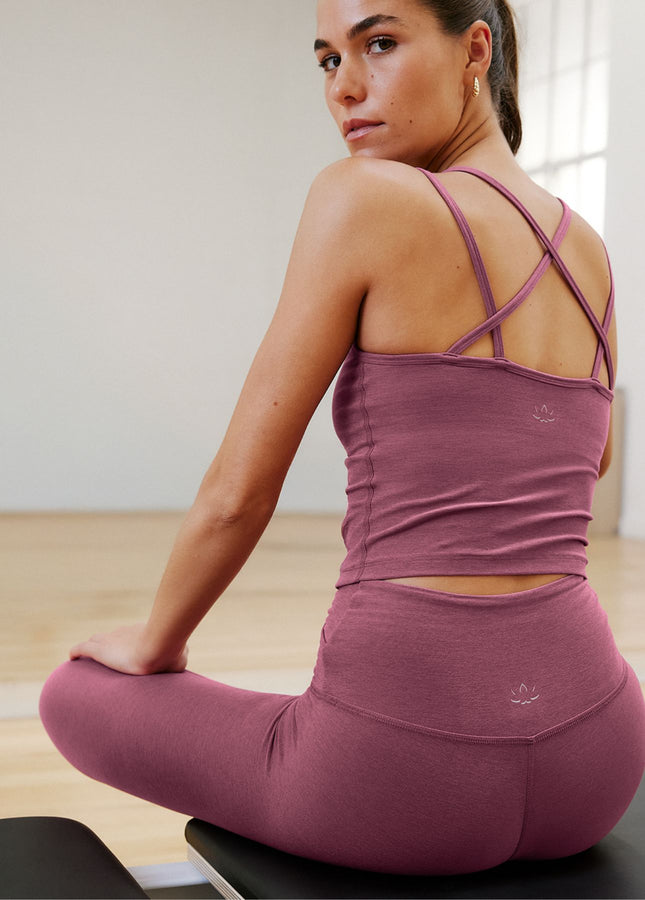
Yoga or Pilates? How to Choose the Right One for You
If you're after flexibility, stress relief and a slower, more meditative style of movement, yoga is a great place to start. Choose a hatha yoga class for slower, more gentle movement or a vinyasa class for something a bit more challenging.
If it's core strength, toning and a more structured approach to building control that appeals to you, pilates might be a good fit. And if you want both, plenty of people do exactly that, alternating between the two depending on what the week's training looks like or simply what they fancy that day. There's no rule that says you have to pick a side.
Key Considerations
There are a few practical things that are worth thinking through before you commit to either yoga or pilates.
First, if you're managing an injury or have limited mobility, it's worth checking with your doctor and letting your instructor know beforehand. Both practices can be adapted but not every class will suit every body on a given day.
Second, budget matters. A home yoga practice or mat pilates session will cost you next to nothing beyond the kit, while studio classes and reformer sessions can add up quickly if you're going a few times a week.
Third, time commitment. A 20-minute home flow can be slipped in between meetings while an in-studio class will require travel time as well as the class timeslot itself so may need to be more carefully considered.
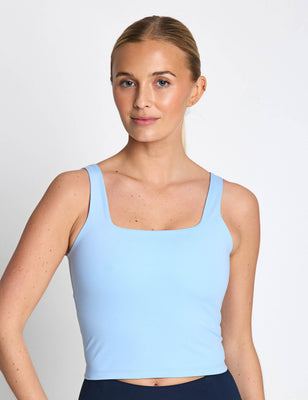
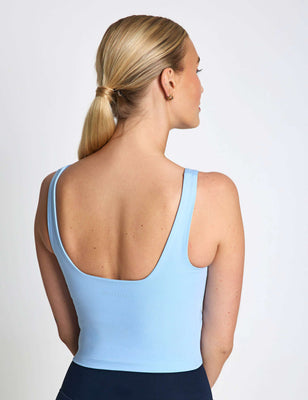
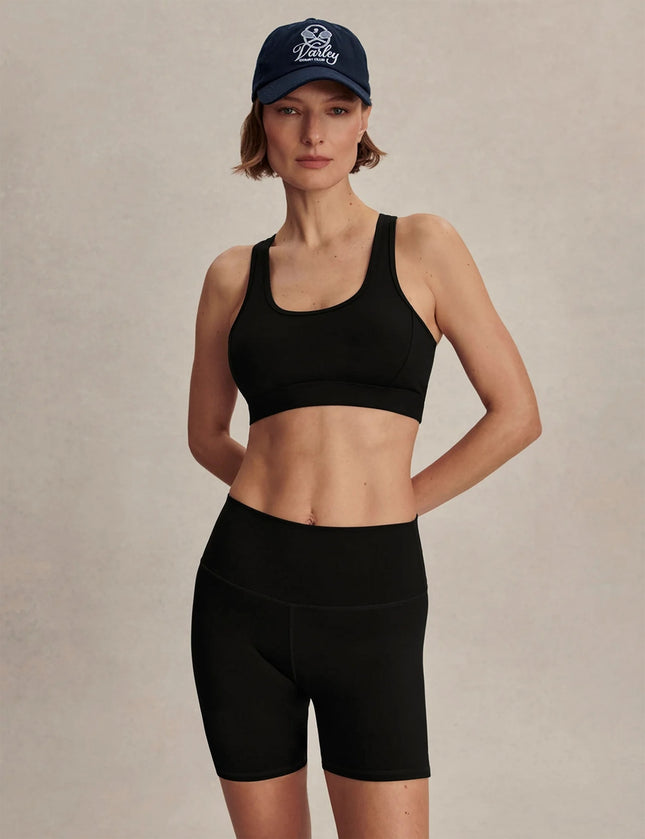
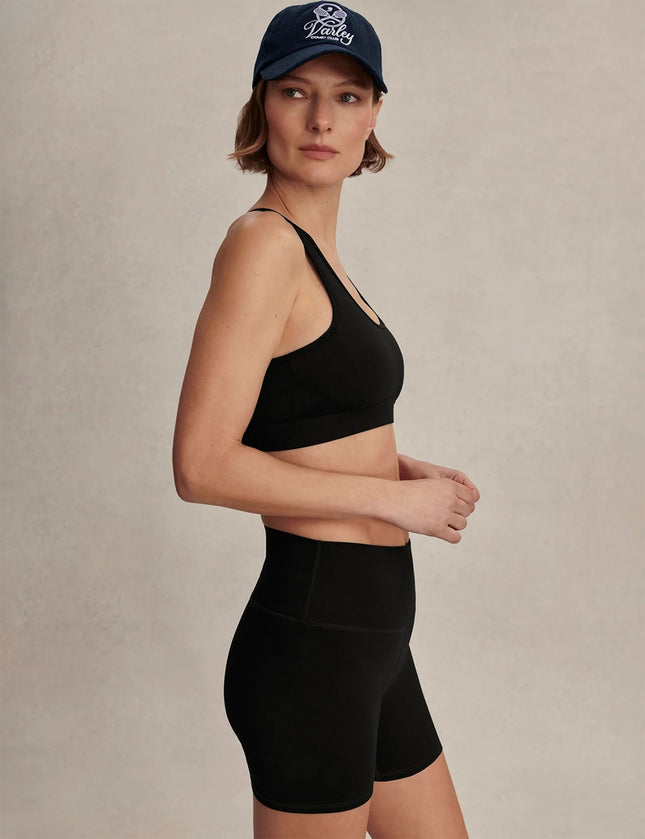
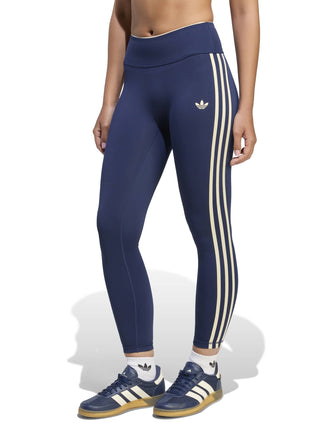
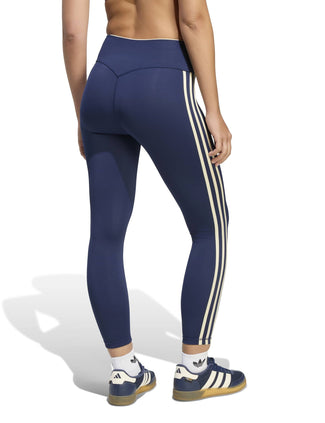
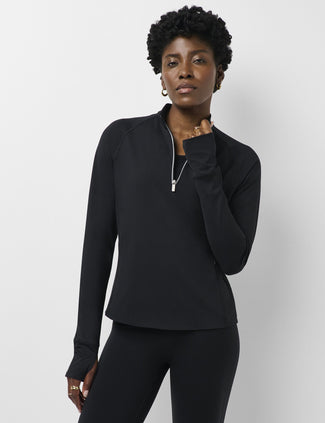
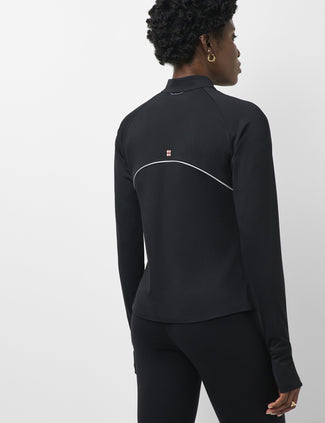
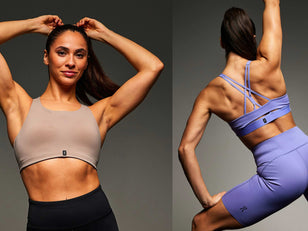
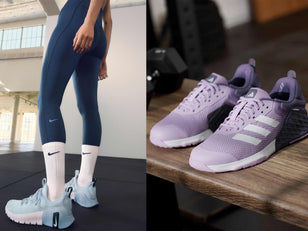
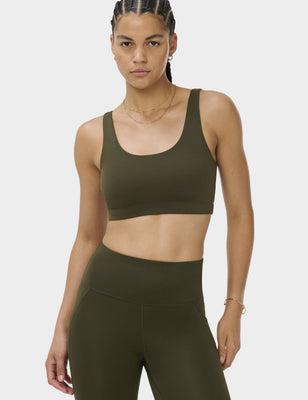
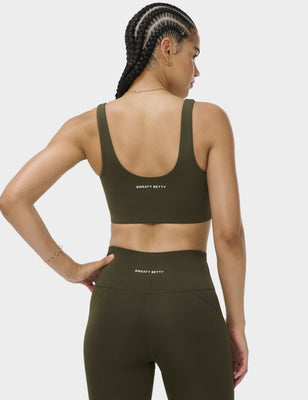
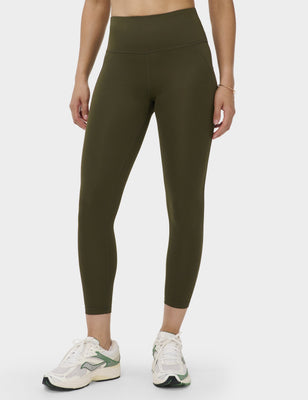
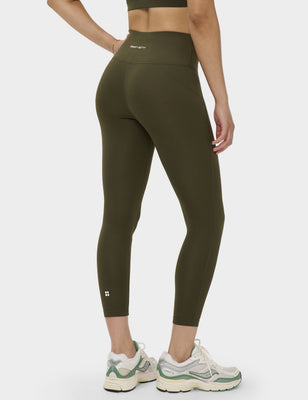
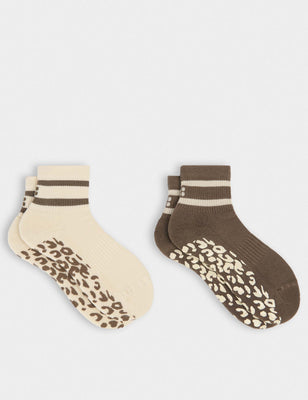
Finally, what you wear plays a bigger role than it might seem. Knowing what to wear to pilates will help you find an outfit that is soft, flexible, and doesn’t bunch up, making the class much more comfortable. The same logic applies to yoga, where freedom of movement through deep stretches matters more than anything else. A well-fitted pair of yoga and pilates sports bras makes a genuine difference to how comfortable a class feels, and if pilates is your main focus, a pair of pilates leggings built for that kind of movement is worth the investment.
Whether you choose pilates or yoga, there’s no right answer. You don’t even have to choose just one if you enjoy the type of movement these sports offer. It all comes down to what your body needs and what you're hoping to get out of your time on the mat, whether that's a slower, breath-led practice or a more structured strength session. If you're still weighing it up, it's worth browsing our yoga and pilates edit to see the kit that suits both, so you're ready whichever way you land!
- Regular price
- £28.00
- Regular price
- £65.00

- Sale price
- £19.00
- Regular price
- £25.00